
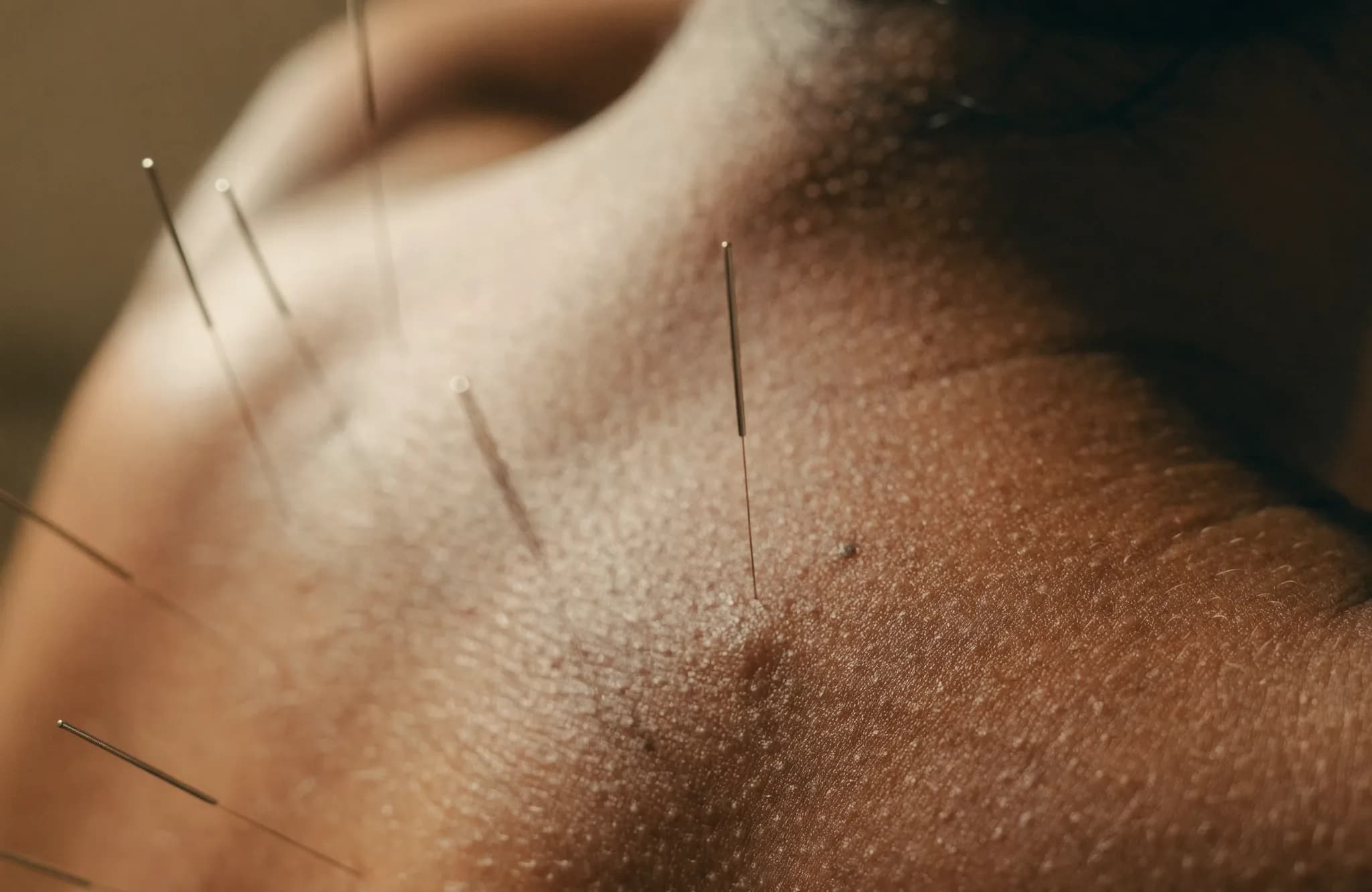
Acupuncture
Acupuncture, offered alongside modern medical care, can help with chronic pain, stress, poor sleep, and some conditions that Western medicine treats slowly. Our practitioner explains what to expect before the first needle — where it will go, how it will feel, and how many sessions the plan is likely to take.
What care includes
- Needle acupuncture with single-use, sterile needles
- Electroacupuncture — mild current through selected needles — where indicated
- Cupping therapy for muscle tension and back pain
- Moxibustion for cold, deficient patterns
- A written plan with expected number of sessions and review points
- Coordination with your physiotherapist or doctor when acupuncture is part of a wider recovery plan
Who this is for
Adults living with chronic pain, stroke sequelae, arthritis, tension headaches, insomnia, or stress-related conditions — either as an outpatient or as part of an inpatient rehabilitation stay at Naman.
Acupuncture in Kathmandu — what to expect at Naman
Acupuncture at Naman is offered as a complementary therapy, not as a replacement for medical care. Families come to us for two kinds of reasons. The first is a specific complaint that has not responded well to standard treatment — persistent low-back pain, a frozen shoulder, tension headaches, disturbed sleep, or the aching, stiff side after a stroke. The second is a wider recovery plan, where acupuncture sits alongside physiotherapy and nursing to help pain, sleep and stress at the same time.
The first visit is a longer conversation, not a treatment rush. Our practitioner takes a full history — the complaint, past illnesses, medications, sleep, appetite, digestion, energy — because in traditional Chinese medicine, small daily patterns matter. Only then are needles inserted, and always with your consent for each area. Needles are single-use and sterile, thin as a hair, and most people report only a dull ache or a warm heaviness where they are placed. A typical session lasts 30–45 minutes, most of which you spend resting quietly on a treatment bed.
For chronic conditions we usually plan a course of 6–10 sessions, two per week initially and then tapering. Some complaints respond quickly; others take a full course before change is clear. We say this openly at the start so you are not comparing session 2 to a hoped-for session 10. Where the picture is not moving, we say so and either refer back to your doctor or adjust the plan.
Acupuncture pairs well with the rest of Naman's rehabilitation work. Post-stroke residents often add acupuncture to a physiotherapy programme for pain and tone; families managing chronic musculoskeletal pain often try acupuncture before or between physio blocks. For inpatients the treatment happens on the ward; for outpatients we book a quiet room in the treatment area. Both branches are available — please tell us which is easier to reach when you call.
Both branches offer this therapy — Pipalbot (Maharajgunj) and Bansbari. Please mention which branch is easier to reach when you get in touch.
Rooms & what’s included
General ward, private cabin, or High Care Unit — see the room categories and inclusions.
See room categories →Related services
Physiotherapy
Physiotherapy in Kathmandu — on-site at our Maharajgunj & Bansbari clinics. For at-home visits, sister service Heal Home Care covers the valley. Stroke, orthopaedic, balance, pain.
Post-Stroke Rehabilitation Care
Structured stroke recovery care in Kathmandu — physiotherapy, speech therapy, and 24-hour nursing under one roof. Minutes from Gangalal Hospital.
Chronic Illness Care
Long-term care for diabetes, heart disease, respiratory conditions and other chronic illnesses in Kathmandu — 24-hour nursing and doctor follow-up.
See all Naman Care Home services.
Common questions
Does acupuncture hurt?
The needles are much thinner than the ones used for injections. Most people feel a small prick and then a dull, heavy ache or warmth at the point — this is normal and settles quickly. If any point becomes uncomfortable, tell us and we adjust.
How many sessions will I need?
For an acute complaint, sometimes 2–4 sessions. For chronic pain or post-stroke work we usually plan a course of 6–10 sessions and review after four. We share the expected pattern up front so you can decide whether to commit.
Is it safe if I take blood thinners or have a pacemaker?
Please tell us about anticoagulants, pacemakers, pregnancy, or a bleeding disorder at the consultation — we adjust needle depth, avoid certain points, and skip electroacupuncture where relevant. Nothing is done without discussing it first.