
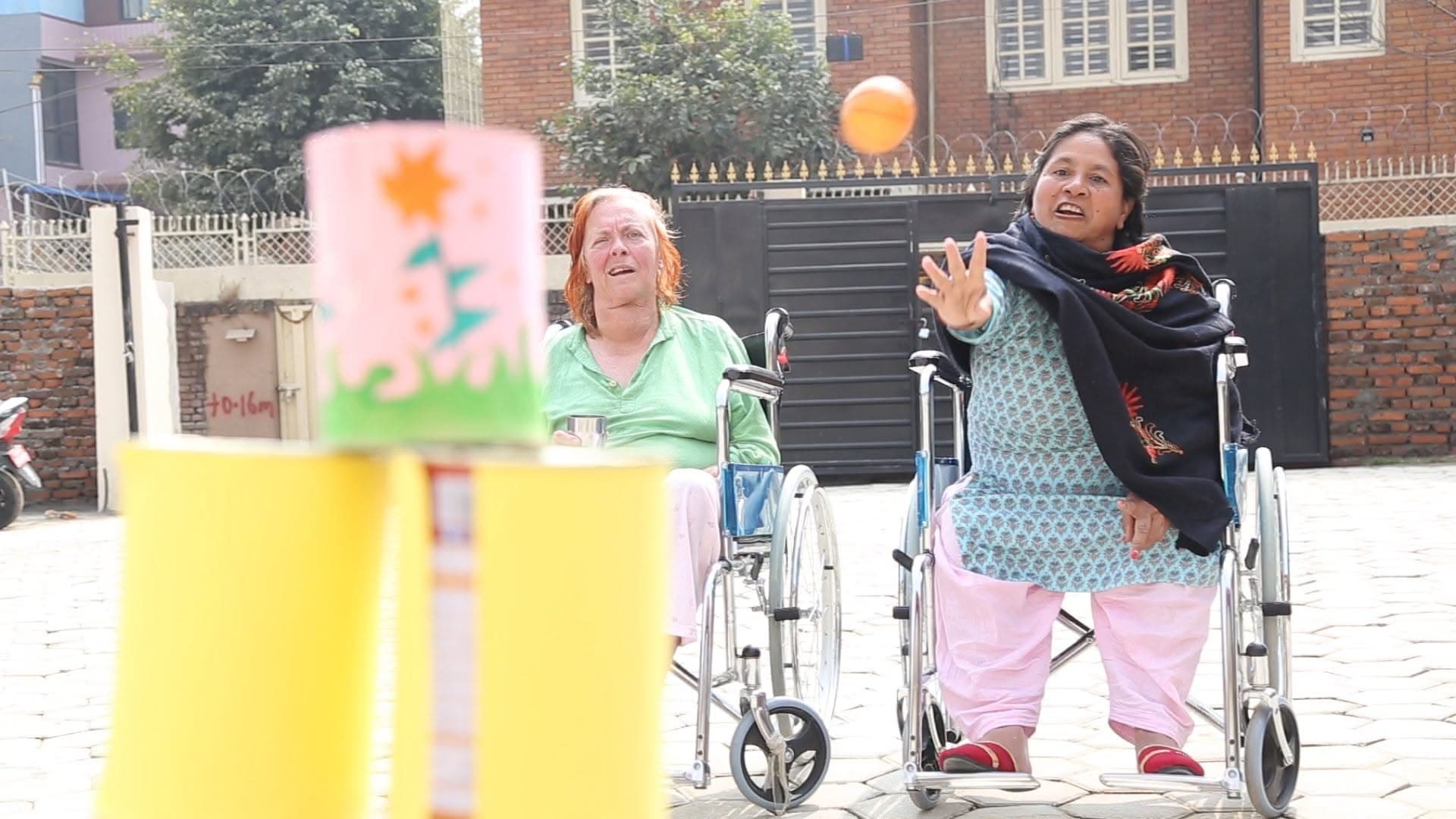
Trauma Rehabilitation Care
Recovery from a serious accident is not only physical. Sleep changes, appetite changes, mood changes. Our care is built to hold all of it, not just the injury on the chart.
What care includes
- Physiotherapy calibrated to the injury and pain level — never pushed
- Wound care, cast and dressing changes, and post-surgical monitoring
- Pain management coordinated with the treating doctor
- Meals that support healing, respecting food preferences
- A calm room and staff who make space for the mental side of recovery
Who this is for
Families whose loved one is recovering from an accident or fall and needs more than home can give right now.
Trauma rehabilitation in Kathmandu — a whole-person recovery
In Kathmandu, trauma most often means a road accident, a fall at home, a work injury, or the recovery period after orthopaedic surgery. The hospital fixes the fracture, stitches the wound, sets the plate; what comes next — the long, uneven weeks between "medically stable" and "back to daily life" — is where families need help. Naman is built for exactly that stretch: skilled nursing, physiotherapy calibrated to the injury, and time. We are not a hospital; we are the place a recovering body can rest in and rebuild from, without the rush of a ward and without the risks of an unsupervised home.
Early trauma recovery is fragile. Fractures need protected time before load returns; wounds need clean, patient dressing changes; pain has to be controlled well enough that the person can eat, sleep, and move a little every day. Our nurses handle dressings and drains, monitor for the quiet complications trauma throws — swelling, fever, a wound not settling as it should — and coordinate directly with the treating doctor when medications need adjustment. Physiotherapy starts gently: the joints and muscles above and below the injury, breathing work if the chest was involved, sitting and standing as the bone allows. We never push a recovery past what the surgeon has cleared.
The mental side of trauma is where families sometimes feel most alone. Sleep changes. Appetite changes. A parent who was cheerful becomes quiet; a father who never worried starts asking, at 4am, whether he will walk again. Our staff make room for this without making it a project. Time in the garden, a quiet room away from the ward's rhythm, a nurse who sits for the extra ten minutes when the family cannot be there — small things, done consistently, that carry someone through the low weeks. Where distress persists we involve our doctor, and where a formal referral would help we say so honestly.
The last stretch of a trauma stay is preparation, not therapy. Our physiotherapist reworks the exercise plan to what a home floor and a home bathroom actually look like. Family members are shown the transfers, the safe way to help with dressing, the pace of return to normal activities. Nurses write the medication schedule out clearly, and a follow-up window is agreed — a WhatsApp thread, a first out-patient physiotherapy visit — so nobody is walking out into a silence. Both branches (Pipalbot in Maharajgunj, Bansbari) run the same programme; families usually pick the branch that is easier for daily visits.
Both branches offer this therapy — Pipalbot (Maharajgunj) and Bansbari. Please mention which branch is easier to reach when you get in touch.
Rooms & what’s included
General ward, private cabin, or High Care Unit — see the room categories and inclusions.
See room categories →Related services
Physiotherapy
Physiotherapy in Kathmandu — on-site at our Maharajgunj & Bansbari clinics. For at-home visits, sister service Heal Home Care covers the valley. Stroke, orthopaedic, balance, pain.
Post-Stroke Rehabilitation Care
Structured stroke recovery care in Kathmandu — physiotherapy, speech therapy, and 24-hour nursing under one roof. Minutes from Gangalal Hospital.
Post-Hospitalization (Discharge) Care
Skilled step-down care after hospital discharge — nursing, medication management, and gentle recovery. Minutes from Gangalal Hospital. Call 9851198668.
See all Naman Care Home services.
Reading for families
Common questions
Can therapy start while the cast is still on?
Often, yes — for the joints and muscles above and below the cast. Our physiotherapist works to the doctor's advice.
How do you handle the pain?
Pain relief is coordinated with the treating doctor — we do not change the prescription on our own. Nurses monitor pain scores through the day and flag anything that is not settling; where the plan needs adjusting, we WhatsApp or call the doctor and change medications the same day. Comfort is not a comfort; it is what makes eating, sleeping, and therapy possible.
Can we admit straight from the hospital after surgery?
Yes. Most of our trauma residents come directly from Grande, Gangalal, Norvic, or Bir. Give us a day's notice where possible so the room is ready and the medications are in stock; short-notice admissions are usually workable too. Bring the discharge summary, the surgeon's notes, and current medications — anything missing we will follow up with the hospital.