
Alzheimer's & Dementia Care
Dementia care is patience, mostly. The same question, the same story, the same small worry — met the same way, every time. That patience is not a technique; it is the culture of our staff. It is what we hire for.
What care includes
- A predictable daily routine — the single most important thing for dementia care
- Rooms with familiar cues; family photos welcomed and encouraged
- Trained staff who do not correct, argue, or rush
- Meals at consistent times, favourites remembered
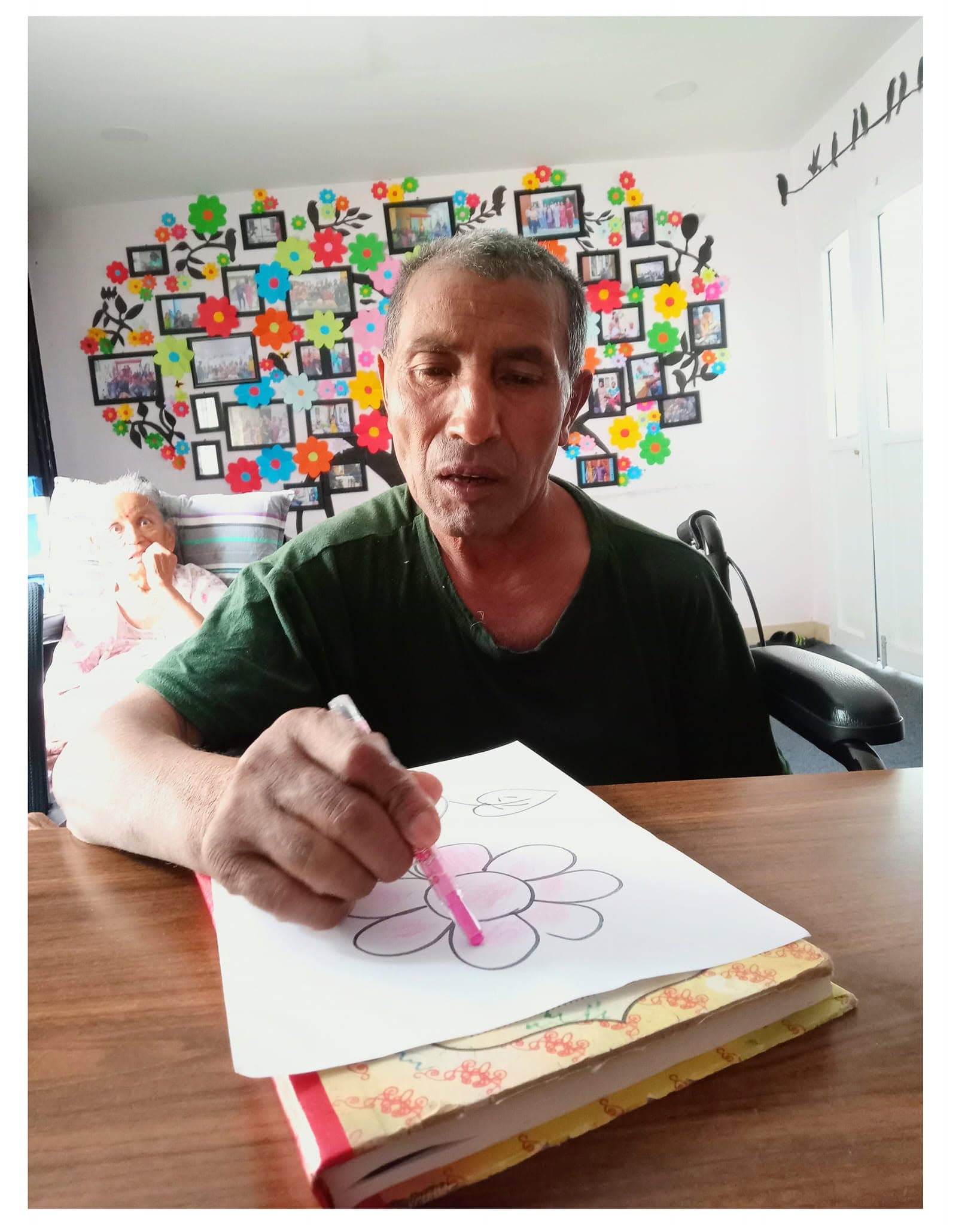
- Simple, gentle activities — music, folding, garden time — never over-scheduled
- Nursing for medications and any physical care needs
Who this is for
Families where caring for a parent with dementia at home has become exhausting, unsafe, or lonely — and who want a place with dignity, not just security.
Dementia care in Kathmandu — the Naman approach
Dementia in Nepal is quietly common and quietly hard. Diagnosis often comes late, specialist services are few, and most families carry the daily work — bathing, meals, medications, the wandering, the same conversation at 3am — with no rest. Choosing residential dementia care is not stepping away from your parent; it is choosing round-the-clock trained hands, safety, and a routine your family cannot sustain forever on its own.
The single most important thing for someone living with dementia is a predictable day. At Naman, mornings, meals, medications, activities, rest and sleep happen in the same order every day, in the same rooms, mostly with the same faces. This is not a schedule your loved one has to follow — it is a rhythm the environment carries for them, so their day feels familiar even when their memory does not.
Rooms are quiet and low-stimulation, with soft lighting, familiar furniture and space for family photos, a favourite blanket, or a small object from home. We welcome and encourage these. In our experience, one meaningful photograph beside the bed does more for a peaceful night than any medication. Meals are at consistent times; favourites are remembered; nurses adjust texture where swallowing is a worry.
Behaviour is where dementia care asks the most of a staff. Agitation, sundowning, resistance to bathing, calling out at night, wandering — these are not problems to be fixed but signals to be read. Our nurses and caregivers are trained in gentle redirection: change the room, change the voice, offer tea, walk a little. We do not use restraints. We do not argue. Where there is genuine distress, our medical team reviews medications and rules out pain, infection, or constipation — the three quiet causes families most often miss.
We work with the whole arc of dementia. In early stages we support routine, memory cues, and independent activities; in the moderate stage we take on more of the personal care and manage nutrition, mobility, and safety; in advanced dementia our focus shifts to comfort, dignity, and being present. When needs change we scale care up — from a General Ward room to a Cabin — without a disruptive move to another facility, and without asking your family to start over with new staff. Families visit throughout the day, and we hold family conferences to plan the next step together.
Both branches offer this therapy — Pipalbot (Maharajgunj) and Bansbari. Please mention which branch is easier to reach when you get in touch.
Rooms & what’s included
General ward, private cabin, or High Care Unit — see the room categories and inclusions.
See room categories →Related services
Aged & Elderly Care
Professional elderly care in Kathmandu — 24-hr nursing, physiotherapy and a warm home environment at our Maharajgunj and Bansbari branches.
Chronic Illness Care
Long-term care for diabetes, heart disease, respiratory conditions and other chronic illnesses in Kathmandu — 24-hour nursing and doctor follow-up.
Post-Hospitalization (Discharge) Care
Skilled step-down care after hospital discharge — nursing, medication management, and gentle recovery. Minutes from Gangalal Hospital. Call 9851198668.
See all Naman Care Home services.
Reading for families
Common questions
Is your dementia unit locked?
Our rooms and doors are secure enough that residents cannot wander into unsafe areas, but the environment is home-like, not clinical. Family visits at any time.
What if my mother is agitated or resistant to care?
This is common and we do not treat it as a problem to fix. Our staff are trained in gentle redirection and never use restraint. We stay calm even when the day is not.
Can we bring things from home — photos, a favourite blanket?
Please do. These small familiar things matter more than any medication for a peaceful room.
Do you take residents in advanced dementia who cannot eat or move well?
Yes. Care can scale up to the High Care Unit for advanced-stage dementia, with a nurse-led focus on comfort, positioning, swallowing safety, and family presence. We do not turn people away as the illness progresses.